Health Forensics 5.0: A Bibliometric Analysis of Metaverse-Based Healthcare Applications and Forensic Informatics Risks
DOI: https://doi.org/10.1145/3829376.3830339
ICMHI 2026: 2026 10th International Conference on Medical and Health Informatics, Kyoto, Japan, May 2026
Health 5.0 integrates metaverse technologies such as virtual reality (VR), augmented reality (AR), and mixed reality (XR) to transform healthcare services through remote diagnosis, virtual therapy, and educational applications. However, these innovations also introduce forensic informatics risks, including data breaches, cyberattacks, and challenges in digital evidence management. This study conducts a bibliometric analysis of literature published between 2015 and 2025 across Web of Science, Scopus, PubMed, and Google Scholar databases, examining the intersection of metaverse healthcare applications and forensic informatics risks. The findings indicate that patient data security, authentication challenges, and the integrity of digital evidence require serious attention in metaverse-based healthcare systems. Additionally, it has been observed that forensic informatics mechanisms are not sufficiently implemented in current healthcare metaverse platforms. This study provides a strategic roadmap for healthcare professionals, cybersecurity experts, and policymakers to develop ethical, secure, and forensically compliant structures within metaverse-based health systems.
ACM Reference Format:
Melike Kukut and Zümrüt Ecevit Satı. 2026. Health Forensics 5.0: A Bibliometric Analysis of Metaverse-Based Healthcare Applications and Forensic Informatics Risks. In 2026 10th International Conference on Medical and Health Informatics ICMHI 2026), May 15-17, 2026, Kyoto, Japan. ACM, New York, NY, USA, 11 Pages. https://doi.org/10.1145/3829376.3830339
1 Introduction
The rapid evolution of healthcare systems, coupled with advancements in Web 5.0, has given rise to a new paradigm known as Healthcare 5.0. This paradigm encompasses the integration of cutting-edge technologies such as the metaverse, virtual reality (VR), augmented reality (AR), and mixed reality (XR). These technologies are transforming healthcare by enabling innovations like remote diagnostics, virtual therapies, and educational applications, thereby enhancing accessibility and improving patient care [4], [6]. Healthcare 5.0 envisions a more connected and patient-centric ecosystem, where Internet of Things (IoT) devices, mobile health applications, and personalized medicine play pivotal roles in delivering tailored healthcare services [5], [10].
In parallel with Healthcare 5.0, Web 5.0 signifies a shift toward emotionally intelligent and intuitive digital experiences, powered by artificial intelligence (AI) and brain-computer interfaces. This new web evolution not only enhances patients’ interactions with digital health platforms but also holds the potential to optimize the real-time utilization of health data within metaverse environments [14], [18]. Web 5.0 enables patients to seamlessly interact with medical settings, while data systems anticipate needs based on emotions, health data, and predictive analytics [6], [9].
Within this context, the term “Healthcare Forensics 5.0” emerges as a natural component of the Healthcare 5.0 paradigm, highlighting the critical role of forensic informatics applications, security measures, and ethical approaches in digital health environments [3], [12]. Although literature at the intersection of healthcare and forensic informatics remains limited, this study employs a bibliometric analysis of literature published between 2015 and 2025 to examine metaverse-based healthcare applications and the forensic informatics risks they entail [15], [22].
The findings reveal that forensic informatics mechanisms are insufficiently established in current healthcare-metaverse platforms, underscoring the need for a strategic roadmap to develop ethical, secure, and forensically compliant frameworks for healthcare professionals, cybersecurity experts, and policymakers [20], [28]. Furthermore, as we stand on the cusp of Web 6.0 and Healthcare 6.0, the need for holistic policies to build more autonomous, AI-supported, ethics-driven, and inclusive healthcare systems becomes increasingly evident [30], [33].
2 LITERATURE REVIEW
The digital transformation of healthcare, accelerated by the COVID-19 pandemic, has ushered in an era of unprecedented connectivity, accompanied by complex and evolving cybersecurity threats. The literature consistently emphasizes not only the sector's technical vulnerabilities but also the broader ethical, legal, and operational implications of cyber incidents [4], [6]. Today, the healthcare ecosystem faces a dual crisis: a growing wave of cyberattacks and a fragmented global legal framework that remains insufficient to manage them effectively.
Statistical evidence underscores the severity of this threat landscape. According to the World Economic Forum's Global Cybersecurity Outlook 2024, healthcare organizations face the highest average cost per data breach at $10.93 million—nearly double that of the financial industry's $5.9 million. These costs reflect systemic disruptions, diminished public trust, and threats to patient safety. The U.S. Department of Health & Human Services (HHS) reported a 93% increase in large-scale healthcare breaches between 2018 (369 breaches) and 2022 (712 breaches), with a 278% surge in ransomware incidents. The European Union Agency for Cybersecurity (ENISA) noted in its 2023 Threat Landscape that ransomware accounted for 54% of healthcare-related cyber incidents, totaling 487 cases, with 45% involving ransomware and 28% data breaches. Data from the World Economic Forum (2022) further reveals that individuals affected by healthcare data breaches tripled from 14 million in 2018 to 45 million in 2021, driven by the pandemic's digital acceleration [33], [24].
Notable international cases illustrate the global scale and severe consequences of these cyberattacks. The Anthem Breach (2015) exposed 78.8 million records, settled for $115 million in lawsuits, marking one of the largest HIPAA violations. The WannaCry Attack (2017) crippled the UK's National Health Service (NHS), forcing ambulance diversions and surgery cancellations. The Vastaamo Psychotherapy Center breach (Finland, 2018–2020) saw 33,000 patients’ therapy notes stolen, resulting in a €608,000 GDPR fine and a six-year prison sentence for the hacker, as reported by Business Insider. The Düsseldorf University Hospital attack (Germany, 2020) caused a patient's death due to delayed treatment, while the Health Service Executive breach (Ireland, 2021) compromised 32,000 records, paralyzing services. The Medibank breach (Australia, 2022) exposed 10 million records, prompting a court-ordered cybersecurity report disclosure, as noted by The Australian. The Change Healthcare breach (U.S., 2024) affected 190 million individuals, halting claims processing and leading to 49 lawsuits in Minnesota, as reported by Reuters [33], [3].
The escalation of healthcare cyber breaches over the past decade reveals an alarming trend not only in frequency but also in severity. According to the U.S. Department of Health and Human Services' Office for Civil Rights (OCR), between 2009 and 2023, a total of 5,887 large-scale healthcare data breaches were reported, affecting hundreds of millions of individuals. The situation deteriorated further in 2023, when 725 breaches were reported—exposing over 133 million records. This trend culminated in 2024, with a staggering 276 million breached records, largely due to the Change Healthcare ransomware attack that impacted an estimated 190 million individuals, making it the largest healthcare data breach in history. Hacking and IT incidents now dominate the landscape, constituting nearly 80% of all breaches in 2023—a 239% increase in hacking incidents and a 278% surge in ransomware attacks since 2018. Despite a potential slight decrease in total breaches in 2024, the volume of compromised records reached an all-time high, reflecting both the increasing sophistication of threat actors and the systemic underfunding of regulatory bodies like the OCR. This data substantiates the argument that global legal frameworks remain inadequately aligned to mitigate the scale and complexity of these threats [28], [29].Table 1 shows the timeline of Major Healthcare Cybersecurity Breaches (2015–2024).
| Year | Entity Name | Country | Entity Type | Individuals Affected | Breach Type | Legal/Regulatory Note |
|---|---|---|---|---|---|---|
| 2015 | Anthem Inc. | USA | Health Plan | 78,800,000 | Hacking/IT | $115M HIPAA settlement |
| 2015 | Premera Blue Cross | USA | Health Plan | 11,000,000 | Hacking/IT | |
| 2017 | NHS (WannaCry) | UK | National Provider | 600+ facilities affected | Ransomware | NHS crippled, raised EU alarm |
| 2018-2020 | Vastaamo | Finland | Therapy Provider | 33,000 | Data Theft | GDPR fine (€608k), prison |
| 2019 | Optum360 | USA | Business Associate | 11,500,000 | Hacking/IT | |
| 2020 | Düsseldorf University Hospital | Germany | Hospital | N/A | Ransomware | Death due to care delay |
| 2021 | HSE Ireland | Ireland | National Health Service | 32,000 | Ransomware | Services paralyzed |
| 2022 | Medibank | Australia | Insurer | 10,000,000 | Data Breach | Court-ordered cyber audit |
| 2023 | Welltok | USA | Business Associate | 14,782,887 | Hacking/IT | |
| 2023 | HCA Healthcare | USA | Business Associate | 11,270,000 | Hacking/IT | |
| 2024 | Change Healthcare | USA | Business Associate | 190,000,000 | Ransomware | 49 lawsuits filed, OCR alerted |
| 2024 | Kaiser Foundation | USA | Health Plan | 13,400,000 | 2024 | Kaiser Foundation |
| 2025 | Yale New Haven Health | USA | Provider | 5,556,702 | Hacking/IT | New HIPAA investigation |
| 2025 | Blue Shield of California | USA | Business Associate | 4,700,000 | Blue Shield of California | USA |
Despite the critical nature of healthcare services, global legal responses remain inconsistent. The EU's General Data Protection Regulation (GDPR) and the U.S. Health Insurance Portability and Accountability Act (HIPAA) offer robust yet distinct frameworks, with discrepancies in breach notification timelines (GDPR's 72 hours vs. HIPAA's 60 days), definitions of personal health data, and permissions for research use creating compliance challenges for multinational providers. The World Health Organization's Global Strategy on Digital Health (2020–2025) calls for policy harmonization, but progress remains slow. In Australia, the Medibank case has driven stricter corporate cybersecurity obligations, yet a unified global standard is lacking [3], [6].
The healthcare sector's integration of big data and advanced technologies has transformed patient care. Healthcare 5.0, characterized by virtual reality (VR), augmented reality (AR), and mixed reality (XR), enables remote diagnostics, virtual therapies, and immersive training, while Web 5.0’s emotionally intelligent AI personalizes patient experiences using real-time data. However, these innovations expand the attack surface through electronic health records (EHRs), IoT, robotics, telehealth, and genomic databases. Traditional data protection measures, such as centralized record systems, are inadequate for open-source and cloud-based platforms. Blockchain, via smart contracts, is proposed to secure data exchanges across medical records and clinical trials, but challenges like encryption overhead and anonymization scalability persist [4], [10].
HIPAA's Privacy Rule (45 C.F.R. § 164) has shaped U.S. health privacy by balancing patient confidentiality with clinical and research needs. Initial rules required removing 18 identifiers (e.g., dates, ZIP codes), limiting deidentified data's research utility. Amendments introduced limited datasets under data use agreements, but inconsistencies with the Common Rule for human subjects research create regulatory complexity. Institutional barriers further complicate data access, as seen in MedStar Health's case—a major U.S. provider managing vast inpatient and outpatient data. MedStar struggles with extracting research-ready data from systems designed for clinical use, compounded by HIPAA's disclosure accounting burdens, physician objections, and the lack of affordable secure extraction tools [15], [25].
A critical gap lies in digital forensics preparedness, particularly in metaverse-based healthcare systems. Emerging technologies like AI, blockchain, and the metaverse evolve faster than regulations, leaving domains such as cyberbiosecurity and forensic traceability unregulated. Issues like authentication and admissibility of digital evidence from virtual environments remain underexplored, complicating legal and ethical frameworks. The Open Data Institute's “Data Spectrum” framework (see Figure 1) illustrates the continuum between closed and open data access, from highly restricted internal data (e.g., sales reports) to openly licensed datasets (e.g., public transport timetables). In the context of healthcare, sensitive data such as electronic health records and genomic databases typically fall within the “group-based access” category—requiring authenticated, limited use. However, the increasing push for open science and data transparency creates tension. Risks of de-anonymization, data misuse, and regulatory misalignment grow as data moves toward openness. While the EU's GDPR provides centralized enforcement mechanisms, HIPAA's fragmented structure leads to uncertainty, and countries like India are only beginning to define their frameworks (e.g., through the Electronic Health Records Standards). This imbalance complicates global interoperability, especially as health systems adopt more immersive, distributed technologies [24], [31].
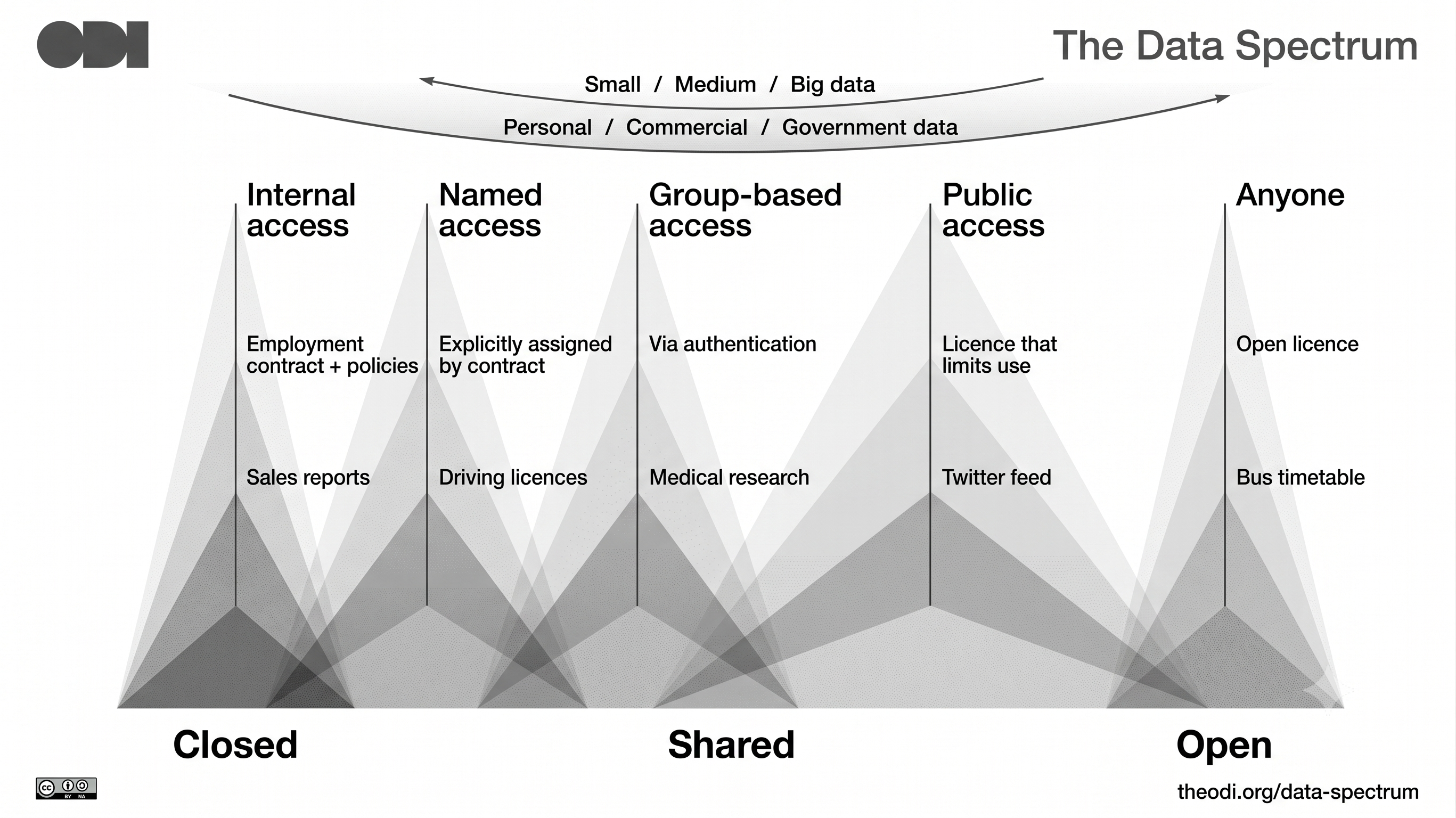
This graphic illustrates how data is classified based on access levels, ranging from “closed” (e.g., internal access for company use only) to “open” (e.g., public and open-access datasets). Healthcare data often falls under group-based or named access, requiring careful legal and ethical evaluation before transitioning to open access. The broader question of openness in healthcare remains contentious. While initiatives like the Human Genome Project and open-access publishing advocate for transparency, the literature warns against risks of de-anonymization and illegal data sharing in open environments. In contrast to the EU's GDPR, HIPAA's fragmented enforcement results in regulatory uncertainty, and countries like India are still developing cohesive frameworks, highlighting the need for global coherence [6], [12]
3 Research methodology
This study utilizes a bibliometric analysis to investigate the evolution of metaverse-based healthcare applications and the emerging digital forensic and cybersecurity risks within this context. The analysis spans the period from 2015 to 2025, allowing for a comparison between the pre-COVID-19 era and the post-COVID-19 era, which serves as a natural inflection point in the digital transformation of healthcare. Academic publications were collected from three major scholarly databases: Web of Science, Scopus, and PubMed. Additionally, Google Scholar was consulted for conceptual exploration during the literature review phase but was not included in the bibliometric dataset.
| Web of Science | Scopus | PubMed | |
| 2015-2019 | 302 | 797 | 615 |
| 2020-2025 | 1538 | 3504 | 2768 |
| Total | 1840 | 4301 | 3383 |
The publication records were downloaded in April 2025. Following data cleaning and the removal of duplicates and irrelevant items, the dataset was divided into two periods:
- Pre-COVID period (2015–2019): 1,194 publications
- Post-COVID period (2020–2025): 6,197 publications
This dramatic increase in publication volume during the second period highlights the surge in academic and industry interest in immersive health technologies following the global pandemic. A comprehensive search strategy was employed using the following query, targeting terms in the title, abstract, and keywords (TS):
TS=("Health 5.0" OR "Metaverse Healthcare" OR "Metaverse Health Applications" OR "Virtual Reality Healthcare" OR "Augmented Reality Healthcare" OR "Mixed Reality Healthcare" OR "XR Healthcare" OR "Virtual Therapy")
OR
TS=("Metaverse" OR "Virtual Reality" OR "Augmented Reality" OR "Mixed Reality" OR VR OR AR OR XR)
AND
TS=("Forensic Informatics" OR "Digital Forensics" OR "Cybersecurity" OR "Data Breach" OR "Cyber Attack" OR "Digital Evidence" OR "Evidence Integrity" OR "Authentication Challenges" OR "Patient Data Security" OR "Privacy" OR "Health Law" OR "Cyber Ethics")
This query was designed to capture interdisciplinary intersections between immersive technologies in healthcare (e.g., VR, AR, XR, Metaverse) and critical forensic, security, and legal concerns. Bibliometric techniques were applied using tools such as VOSviewer to analyze publication trends, co-authorship patterns, keyword co-occurrences, and thematic evolution. The two-phase comparative approach enables an in-depth understanding of how Healthcare Forensics 5.0 has emerged as a vital concern in the increasingly digital and immersive healthcare landscape.
Results and Findings
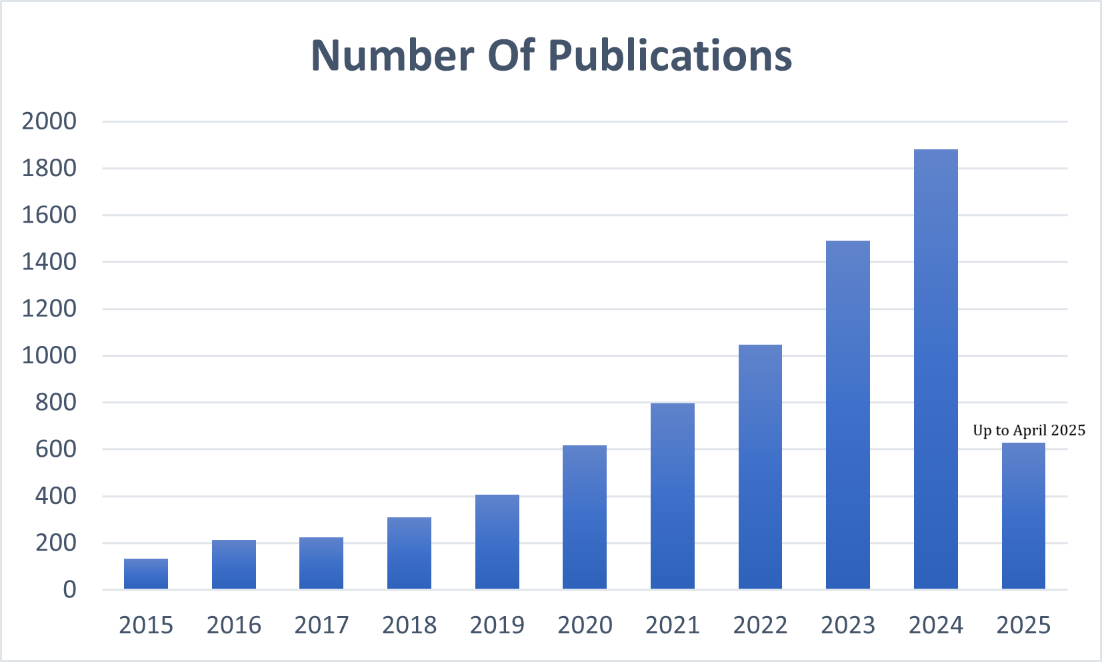
The bibliometric analysis began with an examination of publication trends across the pre-COVID (2015–2019) and post-COVID (2020–2025) periods, utilizing data aggregated from Web of Science, Scopus, and PubMed databases. Figure 2 illustrate the annual number of publications, highlighting a significant increase over time. From 134 publications in 2015, the count rose steadily to 405 in 2019, followed by a sharp surge to 617 in 2020, peaking at 1,491 in 2023. The total number of publications reached 1,194 in the pre-COVID period and escalated to 6,197 in the post-COVID period, with 2025 data limited to the first three months (January to March), totaling 628 publications as of April 2025. This exponential growth, particularly post-2020, reflects the accelerated adoption of metaverse technologies in healthcare, likely driven by the demand for remote solutions during the COVID-19 pandemic.
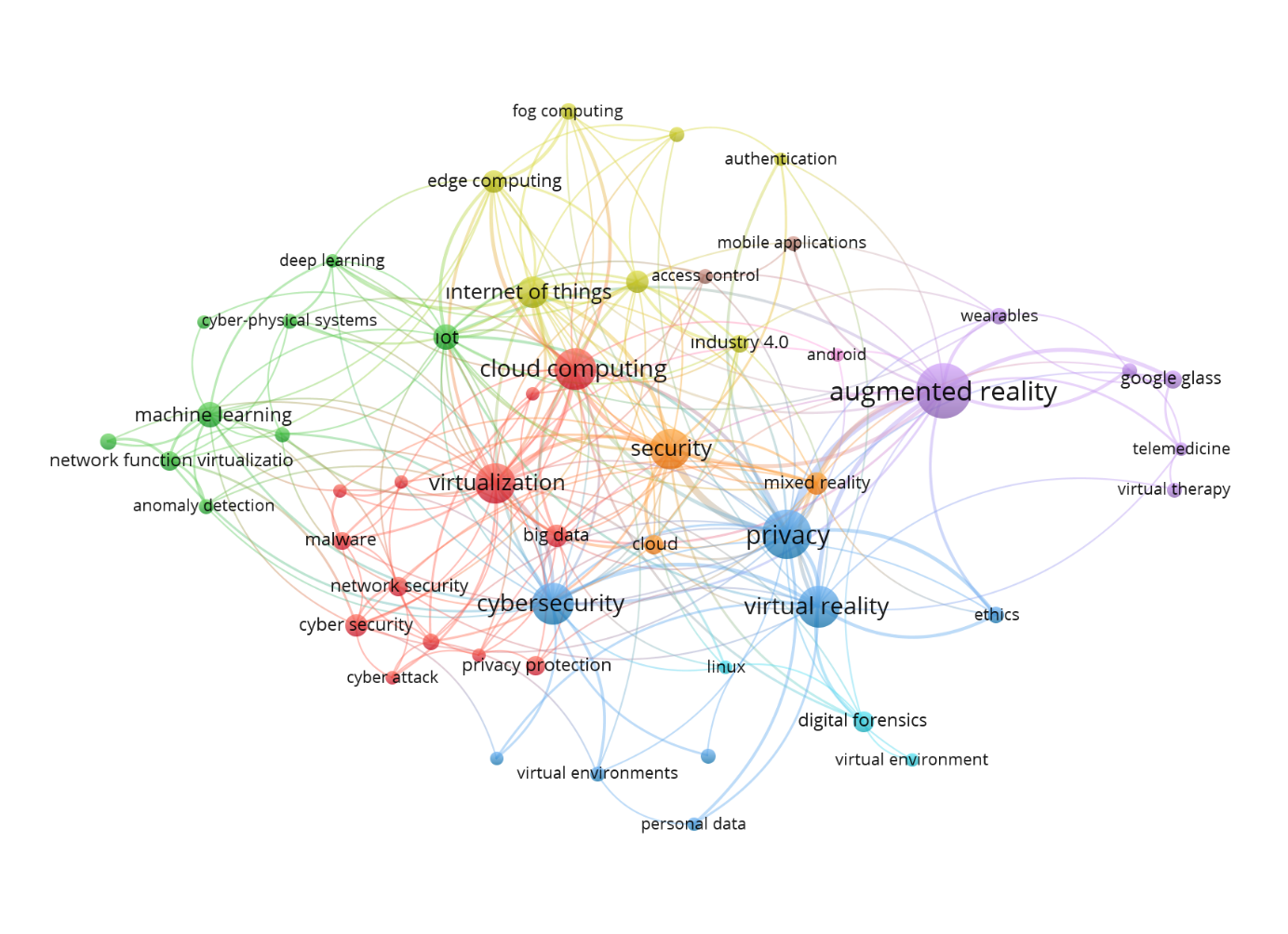
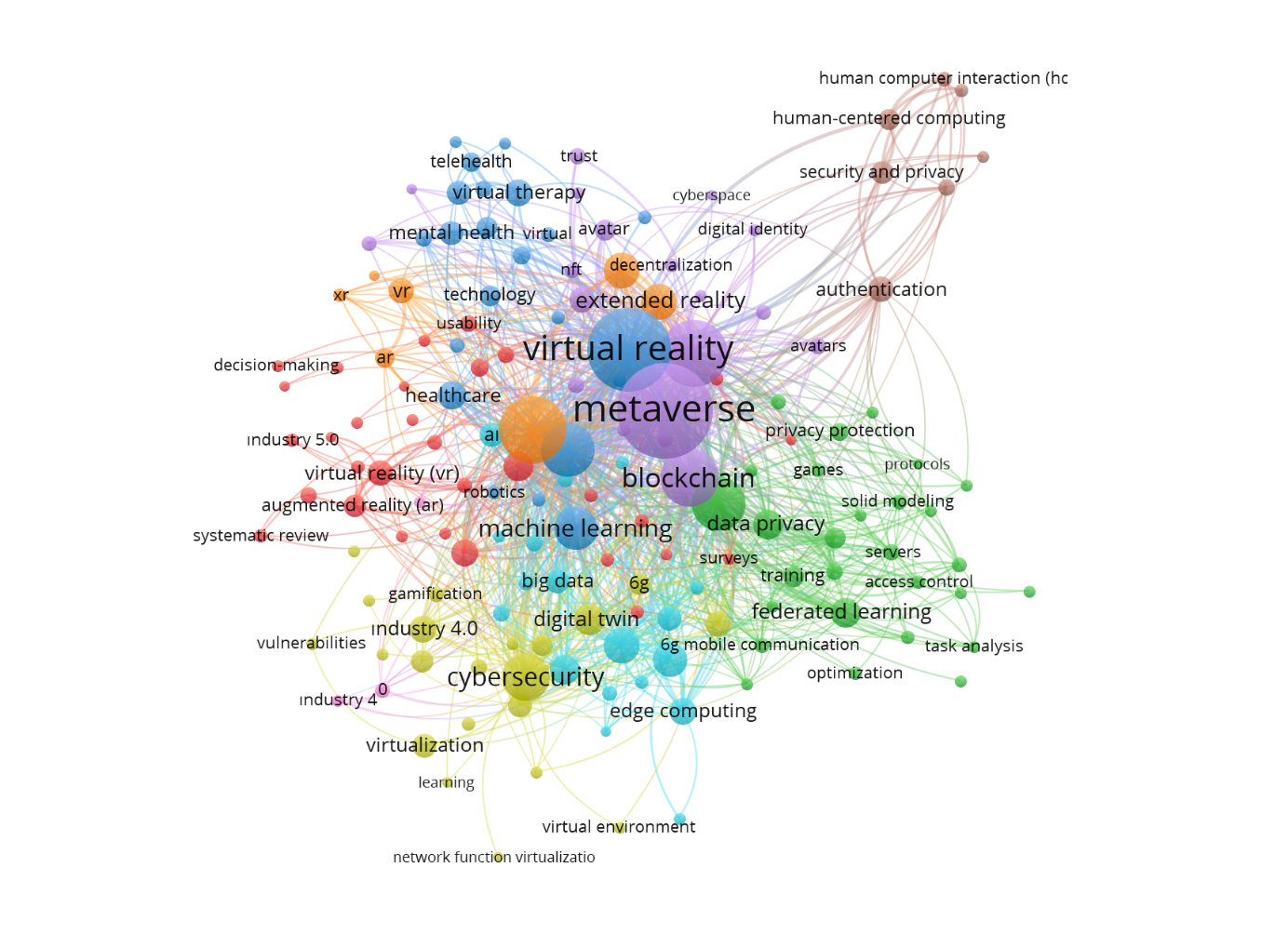
The keyword co-occurrence analysis, conducted using VOSviewer, was based solely on data from Web of Science and Scopus, while all three databases contributed to the publication trend data. The resulting keyword co-occurrence networks (Figures 3 and 4) visualize the thematic evolution across the studied periods.
Pre-COVID Period (2015–2019): Initial Research Landscape
The pre-COVID period, based on 1,194 publications, reveals a notable gap in the research focus at the intersection of metaverse technologies and healthcare. A keyword co-occurrence analysis, derived from Web of Science and Scopus data using VOSviewer, identified 52 keywords appearing at least 5 times out of 1,826 unique keywords, clustered into 9 thematic groups (see Figure 3). The most frequent keywords were "augmented reality" (76 occurrences), "privacy" (59 occurrences), "cybersecurity" (44 occurrences), "virtual reality" (43 occurrences), and "cloud computing" (42 occurrences). These suggest an early emphasis on immersive technologies and their infrastructural needs, particularly the role of cloud computing for scalable data management. However, a striking observation is the absence of "healthcare" as a dominant keyword, indicating that the application of metaverse technologies to healthcare was not a primary focus during this period. This lack of healthcare-specific context is further underscored by the low frequency of related terms: "ethics" (7 occurrences), "digital forensics" (11 occurrences), "data security" (5 occurrences), "blockchain" (12 occurrences), and "telemedicine" (5 occurrences). These findings point to a limited awareness of healthcare-specific implications, including forensic informatics risks, legal ramifications, and ethical considerations within metaverse environments prior to the COVID-19 pandemic. Geographically, 34 countries met the threshold of at least 5 publications out of 125 evaluated, with the United States leading at 177 publications, followed by China (67), India (50), Germany (49), and the United Kingdom (44). This distribution reflects global interest in metaverse technologies, though the lack of healthcare integration suggests that research was more technology-driven than application-focused. The keyword co-occurrence network (Figure 3) illustrates the interconnectedness of AR, VR, privacy, and cybersecurity, with "Internet of Things (IoT)" and "cloud computing" as central nodes. However, the minimal attention to healthcare applications and forensic informatics indicates a pre-COVID research landscape where the potential healthcare benefits and risks of the metaverse remained underexplored, setting the stage for a significant shift in the post-COVID era.
Post-COVID Period (2020–2025): Thematic Analysis and Publication Trends
The post-COVID period (2020–2025) witnessed a significant surge in research activity, with a total of 6,197 publications, compared to 1,194 in the pre-COVID period (2015–2019). This exponential increase, as depicted in Figure 4, underscores the rapid adoption of metaverse technologies in healthcare following the global pandemic, likely spurred by the demand for remote healthcare solutions and the broader digital transformation in the sector. A keyword co-occurrence analysis, derived from Web of Science and Scopus data using VOSviewer, was conducted to explore thematic trends in this period. Out of 8,359 unique keywords identified, an initial analysis of terms appearing at least 5 times resulted in a complex network. To achieve a clearer and more interpretable evaluation, the threshold was raised to a minimum of 10 occurrences, resulting in 156 keywords for analysis. These keywords were clustered into 9 distinct thematic groups, consistent with the pre-COVID period's structure, but reflecting a more healthcare-focused and security-conscious landscape (see Figure 4). The most prominent keywords were "metaverse" (668 occurrences), "virtual reality" (511 occurrences), "augmented reality" (335 occurrences), and "privacy" (329 occurrences). These findings highlight the central role of the metaverse and immersive technologies in healthcare research during this period, with a continued and intensified focus on privacy concerns. Other notable keywords included "cybersecurity" (170 occurrences), "blockchain" (257 occurrences), "healthcare" (59 occurrences), "digital forensics" (18 occurrences), "biometrics" (22 occurrences), "telemedicine" (34 occurrences), and "data protection" (21 occurrences). Compared to the pre-COVID period, the emergence of "healthcare" as a keyword (59 occurrences) indicates a growing recognition of the metaverse's applications in healthcare settings, such as telemedicine and virtual therapy. Additionally, the increased frequency of "cybersecurity," "blockchain," and "data protection" suggests a heightened awareness of security challenges in metaverse-based healthcare systems, reflecting efforts to address vulnerabilities like data breaches and authentication issues. However, the relatively low frequency of "digital forensics" (18 occurrences) and the limited attention to legal implications reveal a critical gap: while the importance of security is increasingly acknowledged, the legal ramifications and forensic processes necessary for ensuring accountability and evidence integrity remain underexplored. Geographically, the analysis evaluated 1,337 entities, with a minimum threshold of 5 publications per country, resulting in 230 entries. However, due to a data processing error in VOSviewer where terms like "technology" (188 occurrences) were mistakenly categorized as countries, the country-based publication rankings require further validation. Preliminary data suggests India (472 publications), the United States (366 publications), and China (319 publications) as leading contributors, indicating sustained global interest in Health 5.0 and forensic informatics. Overall, the post-COVID period demonstrates a marked evolution in Healthcare Forensics 5.0, with the metaverse becoming a cornerstone for healthcare innovation. The persistence of 9 thematic clusters in the keyword analysis indicates a structured yet expanded research focus, now incorporating healthcare applications and security mechanisms more prominently. However, the limited emphasis on digital forensics and legal frameworks highlights an ongoing need for comprehensive strategies to ensure ethical, secure, and forensically compliant metaverse-based healthcare systems.
Recommendations
In light of the growing convergence between healthcare innovation and digital transformation, particularly within Healthcare 5.0 and metaverse-based platforms, a coordinated global and national response is essential to ensure privacy, security, and forensic integrity. A harmonized legal framework should be established, integrating best practices from the GDPR, HIPAA, India's EHR Standards, and Turkey's Personal Data Protection Law (KVKK). KVKK's emphasis on explicit consent, purpose limitation, and data minimization offers a valuable regional model for shaping data governance in emerging digital health systems.
Healthcare IT systems must also be restructured to be forensic-ready by embedding secure logging, tamper-evident audit trails, and digital chain-of-custody mechanisms that ensure legal admissibility. Simultaneously, accountability must be reinforced through binding legal responsibilities for healthcare providers, vendors, and third-party processors, including strict penalties for negligence and delayed breach notifications. Legacy infrastructure remains a critical vulnerability and must be modernized through investments in zero-trust architectures, encryption standards, and AI-powered anomaly detection. Moreover, cybersecurity education should become mandatory for healthcare professionals to foster a culture of awareness and preparedness.
In metaverse-integrated systems, blockchain and smart contracts can secure sensitive data exchanges, while legal provisions—such as expanding the concept of Limited Datasets and revising HIPAA's safe harbor rule—can enable more flexible yet privacy-preserving secondary data use. Turkey's regulatory environment further illustrates the urgent need to streamline bureaucratic processes for academic access to anonymized health data. Current legal procedures under KVKK and institutional ethics boards are often excessively time-consuming and restrictive, unintentionally discouraging valuable health informatics research. A more dynamic model of controlled, risk-based access to health data—such as secure data enclaves or conditional research authorizations—could significantly enhance data-driven innovation while maintaining compliance. Finally, international cooperation through shared incident response teams and standardized disclosure protocols is vital to combat transnational cyber threats. Transparency tools for patients and reduced administrative burdens (e.g., eliminating redundant disclosure requirements under HIPAA) would further support regulatory compliance and public trust across global digital health ecosystems.
4 Conclusion
This study reveals that while Healthcare 5.0 and metaverse-based technologies hold transformative potential for enhancing patient care, diagnostics, and system efficiency, they also amplify risks related to cybersecurity, digital forensics, and legal fragmentation. Analysis of recent healthcare breaches and regulatory frameworks indicates that post-pandemic investments in technology have not been matched by proportional legal reform, particularly in areas such as breach accountability, cross-border data governance, and secure data sharing for research.
The regulatory landscape, including the U.S. Health Insurance Portability and Accountability Act (HIPAA), the European Union's General Data Protection Regulation (GDPR), and Turkey's KVKK, offers frameworks that strive to safeguard patient privacy and data security, but significant gaps remain. HIPAA's fragmented enforcement structure in the U.S. and GDPR's more unified approach in Europe create challenges for international health data management. At the same time, Turkey's KVKK reinforces patient rights but adds procedural barriers, particularly for researchers needing access to anonymized health data. The friction between legal compliance and scientific progress in these contexts may disincentivize valuable research in health cybersecurity and forensic informatics, pushing academic focus toward less regulated areas.
To address these tensions, stakeholders must jointly pursue a vision of digital health that is ethically responsible, legally coherent, and technologically resilient. Through coordinated policy innovation, international legal alignment, and investment in forensic and security infrastructure, the promise of Healthcare 5.0 can be realized—delivering equitable, secure, and trustworthy care in both physical and virtual environments.
References
- Abouelmehdi, K., Beni-Hessane, A., & Khaloufi, H. (2018). Big healthcare data: preserving security and privacy. Journal of big data, 5(1), 1-18.
- Agin, S., & Mega, E. (2022). Evolution of health law in Turkey. Hist Philos Med, 4(1), 6.
- Alder, S. (2025). Healthcare Data Breach Statistics. The HIPAA Journal. https://www.hipaajournal.com/healthcare-data-breach-statistics/
- Ashwini, A., Kavitha, V., & Balasubramaniam, S. (2025). Interconnected Healthcare 5.0 Ecosystems: Enhancing Patient Care Using Sensor Networks. Networked Sensing Systems, 225-246.
- Athar, A., Ali, S. M., Mozumder, M. A. I., Ali, S., & Kim, H. C. (2023, February). Applications and possible challenges of healthcare metaverse. In 2023 25th International Conference on Advanced Communication Technology (ICACT) (pp. 328-332). IEEE.
- Bansal, G., Rajgopal, K., Chamola, V., Xiong, Z., & Niyato, D. (2022). Healthcare in metaverse: A survey on current metaverse applications in healthcare. Ieee Access, 10, 119914-119946.
- Becker, U., & Chesalina, O. (2020, December). Social law 4.0: Challenges and opportunities in social protection. In Social Law 4.0 (pp. 13-38). Nomos Verlagsgesellschaft mbH & Co. KG.
- Bhatia, B., & Joshi, S. (2023, March). Applications of metaverse in the healthcare industry. In 2023 International Conference on Innovative Data Communication Technologies and Application (ICIDCA) (pp. 344-350). IEEE.
- Da Costa Abreu, M., & Silva, B. (2020). A critical analysis of'Law 4.0’: The use of Automation and Artificial Intelligence and their impact on the judicial landscape of Brazil. Revista de Direitos Fundamentais e Tributação, 1(3), 1-16.
- Di Pietro, R., & Cresci, S. (2021, December). Metaverse: Security and privacy issues. In 2021 third IEEE international conference on trust, privacy and security in intelligent systems and applications (TPS-ISA) (pp. 281-288). IEEE.
- Domagała, A., & Klich, J. (2021). Human capital vs. Health 4.0. In The Digital Transformation of Healthcare (pp. 178-191). Routledge.
- Elhenawy, I., AL-baker, S. F., & Mohamed, M. (2023). Intelligent healthcare: Evaluation potential implications of metaverse in healthcare based on mathematical decision-making framework. Neutrosophic systems with applications, 12, 9-21.
- Garfinkel, S. L. (2010). Digital forensics research: The next 10 years. digital investigation, 7, S64-S73.
- Girijakumari Sreekantan Nair, S., & Chandrasekaran, B. (2024). MetaHealth: unlocking metaverse technologies in digital healthcare. Expert Review of Medical Devices, 21(8), 727-739.
- Gupta, M., Jain, R., Kumari, M., & Narula, G. (2021). Securing healthcare data by using blockchain. Applications of blockchain in healthcare, 93-114.
- Hulsen, T. (2024). Applications of the metaverse in medicine and healthcare. Advances in Laboratory Medicine/Avances en Medicina de Laboratorio, 5(2), 159-165.
- Irons, A., & Lallie, H. S. (2014). Digital forensics to intelligent forensics. Future Internet, 6(3), 584-596.
- Li, Y., Gunasekeran, D. V., RaviChandran, N., Tan, T. F., Ong, J. C. L., Thirunavukarasu, A. J., ... & Ting, D. S. (2024). The next generation of healthcare ecosystem in the metaverse. Biomedical Journal, 47(3), 100679.
- Malik, P., & Singh, G. (2011). Health considerations for forensic professionals: A review. Forensic Science Policy & Management: An International Journal, 2(1), 1-4.
- McGinnis, J. M., Olsen, L., Goolsby, W. A., & Grossmann, C. (Eds.). (2011). Clinical data as the basic staple of health learning: Creating and protecting a public good: Workshop summary. National Academies Press.
- Mituś, A. (2021). Law and Health 4.0. In The Digital Transformation of Healthcare (pp. 163-177). Routledge.
- Moztarzadeh, O., Jamshidi, M., Sargolzaei, S., Jamshidi, A., Baghalipour, N., Malekzadeh Moghani, M., & Hauer, L. (2023). Metaverse and healthcare: Machine learning-enabled digital twins of cancer. Bioengineering, 10(4), 455.
- Musamih, A., Yaqoob, I., Salah, K., Jayaraman, R., Al-Hammadi, Y., Omar, M., & Ellahham, S. (2022). Metaverse in healthcare: Applications, challenges, and future directions. IEEE Consumer Electronics Magazine, 12(4), 33-46.
- Open Data Institute (n.d) The Data Spectrum. Retrieved from https://theodi.org/insights/tools/the-data-spectrum/
- Sevinç, S. (2018). D-33 effects of Industry 4.0 in health services: health 4.0 research at Dokuz Eylul University. Turkish Journal of Biochemistry, 43(s1), 20-20.
- Shah, N., Patel, S., Jain, R., & Bruno, A. Recent Advancements and Issues in AI for Health 5.0. In Health 5.0 (pp. 19-31). CRC Press.
- Siswati, S., Astiena, A. K., & Putra, I. Y. P. (2022, March). Development of Case-Based Methods in Learning Courses in Health Ethics and Law in the Era of the Industrial Revolution 4.0. In 4th International Conference on Educational Development and Quality Assurance (ICED-QA 2021) (pp. 395-400). Atlantis Press.
- Song, Y. T., & Qin, J. (2022). Metaverse and personal healthcare. Procedia Computer Science, 210, 189-197.
- Tretter, M., Samhammer, D., Ott, T., & Dabrock, P. (2023). Towards an ethics for the healthcare metaverse. Journal of Metaverse, 3(2), 181-189.
- Ullah, H., Manickam, S., Obaidat, M., Laghari, S. U. A., & Uddin, M. (2023). Exploring the potential of metaverse technology in healthcare: Applications, challenges, and future directions. IEEE Access, 11, 69686-69707.
- Vincze, E. A. (2016). Challenges in digital forensics. Police Practice and Research, 17(2), 183-194.
- Wang, Y., Zhu, M., Chen, X., Liu, R., Ge, J., Song, Y., & Yu, G. (2024). The application of metaverse in healthcare. Frontiers in Public Health, 12, 1420367.
- WEF, The İmportance of Securing Healthcare Data. Retrieved from https://www.weforum.org/stories/2022/08/the-importance-of-securing-healthcare-data/
- Wiederhold, B. K., & Riva, G. (2022). Metaverse creates new opportunities in healthcare. Annu. Rev. Cybertherapy Telemed, 20, 3-7.
- Yang, Y., Zhou, Z., Li, X., Xue, X., Hung, P. C., & Yangui, S. (2023). Metaverse for healthcare: technologies, challenges, and vision. International Journal of Crowd Science, 7(4), 190-199.
- Zaami, S., Napoletano, G., Marinelli, E., Sablone, S., De Paola, L., & Introna, F. (2025). Post-COVID-19 Era Forensics: Hospital Autopsies, New Methodologies, and Medicolegal Perspectives. Forensic Sciences, 5(1), 8.
Footnote
∗Corresponding author

This work is licensed under a Creative Commons Attribution 4.0 International License.
ICMHI 2026, Kyoto, Japan
© 2026 Copyright held by the owner/author(s).
ACM ISBN 979-8-4007-2334-6/2026/05
DOI: https://doi.org/10.1145/3829376.3830339